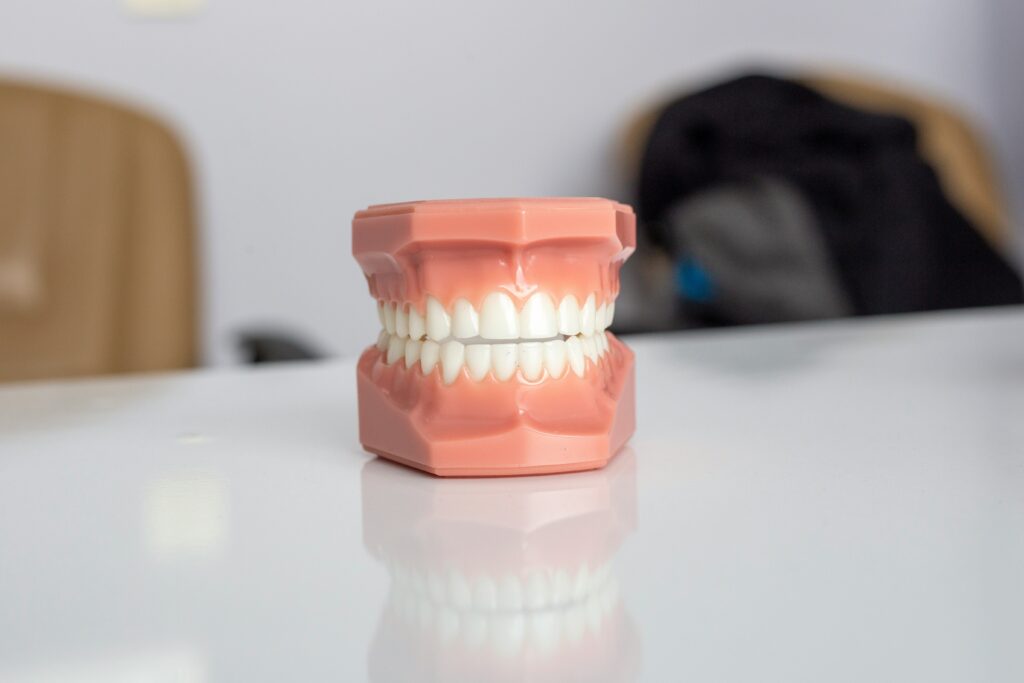
There are cultural differences regarding health, wellness, hygiene and grooming. Having grown up in India and traveled to other countries, this became more acutely clear to me. Some of the lifestyle differences include the use of water versus toilet paper and showers versus bucket baths etc. (1, 2). Similarly, dental hygiene also has cultural differences. There are several practices that are rooted in the local geographical, dietary and regional lifestyle and cultural practices of a place. Sometimes, advancements in dental science do not trickle over coherently past cultural barriers. This is where appropriate, current and culturally adapted education comes in.
We need to use the modern scientific knowledge in dentistry and adapt it by using existing techniques and practices for dental health in India. For dental hygiene in India, several mainstream practices include brushing, rinsing after every meal, use of fennel seeds (3) and other mixtures. These act as mouth fresheners and also indirectly floss the teeth. There are also various Ayurvedic and herbal ‘oil-pulling’ solutions available. Flossing, as known in the western world, is extremely rare (4). Articles that mention flossing the teeth every day, would not be easily understood or translated into the Indian cultural context.
There is such a thing called ‘Datun’ (5). This is a chewable twig from either a Neem or Babool tree, which functionally acts as floss. The Neem tree is known to have several antibacterial properties (6). The Babool is also known for its gum strengthening and oral health benefits (7,8). Preventing tooth decay is a huge benefit of dental hygiene. The chewing of the tree twigs aids in that.
However, there is inconsistent availability and usage of the Datun, especially in cities (9). Flossing, either with these (in cities) or a standard floss, is quite rare.
This is where dental education can come in. The current information on dental practices is usually aligned to western diets, lifestyles and habits. There is a need for translatable education on preventative dental health practices. This can assist in improving care for the large population of people living in the Indian sub-continent, especially in the cities.
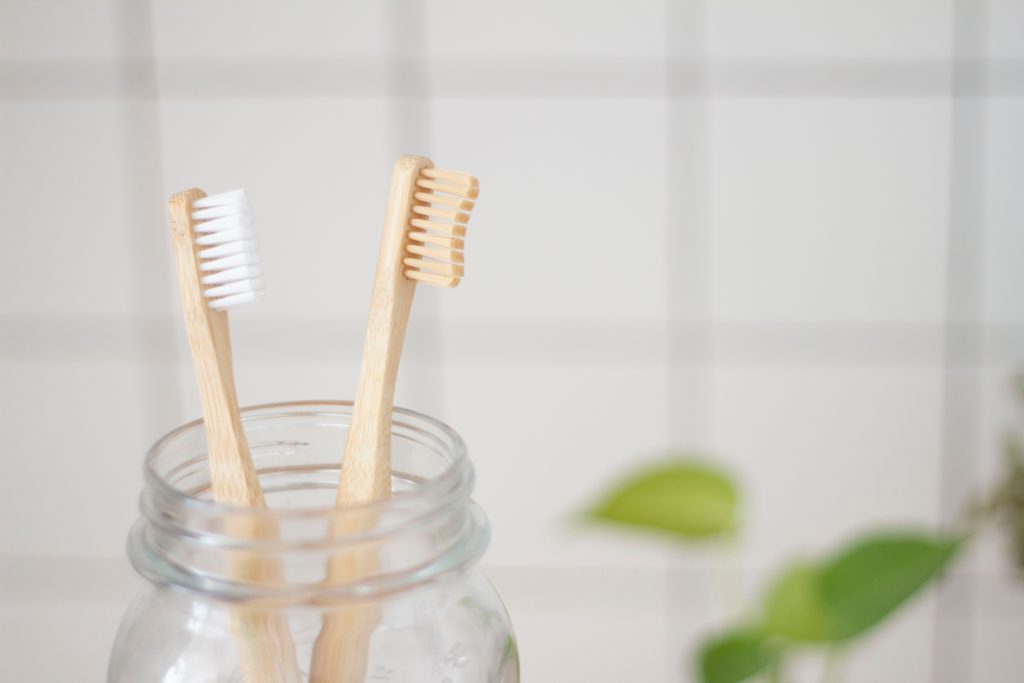
Other aspects of dental hygiene also include the selection of appropriate toothbrushes, the importance of brushing twice a day and the use of oil pulling agents (10).
Knowledge about Datun could allow for increased demand, which in turn, could lead to more products based on them, being created. With the packaging and design created to appeal to the city residents, there could be dental health products in the market, that combine traditional wisdom with modern dentistry.
Establishing a routine of care, to prevent dental diseases could include: brushing twice a day, flossing with locally sourced materials, rinsing after every meal and being conscious of dental health and its impact on overall health and well-being. Increasing the understanding and knowledge of dental hygiene, would go a long way, in improving oral health and outcomes, crossing over cultural borders and lifestyle differences.
A professional dentist is ultimately the reliable source of information for individual cases. The opinions in this article are some thoughts on improving dental health in India, through the emphasis on combining traditional and modern methods and knowledge.
CTA: What is your take on education for preventative oral health? Please feel free to leave your comments below.
References:
- https://pmc.ncbi.nlm.nih.gov/articles/PMC7574014/
2. https://fsm.how/hygiene-sanitation-waste-mgt/traditional-hygiene-practices-india/
3. https://www.researchgate.net/publication/335840673_Saunf_Do_we_really_need_fennel_seeds_after_a_meal
4. https://pmc.ncbi.nlm.nih.gov/articles/PMC6714418/
5. https://pmc.ncbi.nlm.nih.gov/articles/PMC4095631/
6. https://pmc.ncbi.nlm.nih.gov/articles/PMC9195866/
7. https://pmc.ncbi.nlm.nih.gov/articles/PMC4149135/
8. https://onlinelibrary.wiley.com/doi/abs/10.1002/9781394167197.ch31
10. https://pmc.ncbi.nlm.nih.gov/articles/PMC5654187/
Photo credits:
Photo by Enis Yavuz on Unsplash
Disclaimer: The opinions provided here are those of the author from general awareness and do not constitute professional medical advice. Any product recommendations made on this site are made freely and are not paid endorsements.